Project History

How it Began: The UnPPAC Project

In 2008, Dr. Margot Latimer and Dr. Allen Finley of the IWK Health’s Complex Pain Team noticed something startling; only an estimated 2 out of 800 children referred to IWK Health in its 17-year history were Indigenous. As a result, Dr. Latimer partnered with Sharon Rudderham (Eskasoni Health Centres Health Director) and a team of Indigenous community leaders, clinicians, Elders and researchers from IWK Health and Dalhousie University to further explore this low number. The Understanding Pediatric Pain in Aboriginal Communities (UnPPAC) project grew from this partnership and Mi’kmaq participants shared their pain and hurt stories through art and conversation sessions. Consistent stories of Mi’kmaq children’s stoicism were found as well as a link between pain and hurt expression, assessment, and treatment.
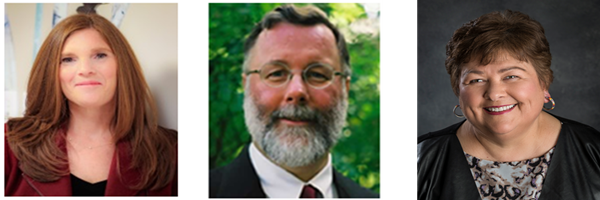
L-R: Dr. Margot Latimer, Dr. Allen Finley, Sharon Rudderham

The Issue

A child’s expression of pain is complex and related to social and cultural factors. The way Indigenous children’s pain is assessed and treated by non-Indigenous health care providers can be ineffective and have a range of negative effects. Under-treated pain can lead to learning disabilities, heightened medical fears, anxiety, chronic pain, impaired development, poor school outcomes and inadequate health care that can continue later in life.

What We’re Doing About It

Since completing the UnPPAC project we’ve continued exploring the experiences of pain and hurt for Indigenous children across Canada. In 2013, we received funds from several local and federal sources to expand our research to four communities across Mi’kma’ki and Wolastoqey territories – the AICH Maritimes project. Further expansion took place in 2016 through a partnership with the CIHR Chronic Pain Network and SPOR funding – AICH National was established.

Through each of these projects we continue to work on the development of tangible, research-based tools and products that will help address and improve the healthcare experiences of Indigenous children and youth such as the Kids Hurt App, the FIRST Approach and the Indigenous Health Research Advisory Committee (IHRAC).

‘Aboriginal’ or ‘Indigenous’?

Over time the terminology to refer to the Indigenous Peoples in Canada has evolved. Since the 1980’s, the term ‘Aboriginal’ was the most accepted term, however many leaders and Elders of Indigenous communities felt that the term failed to fully recognize the diversity of Indigenous communities (Indigenous Innovations, 2017). Further to this, the ‘ab’ in Aboriginal translates to ‘away from’ or ‘not’ so this term fails to acknowledge the presence of Indigenous Peoples on the land prior to European settlers. In contrast, the term ‘Indigenous’ originates from the Latin word indigena, which translates to ‘sprung from the land’ (Bob, 2016) which emphasizes the legality of Indigenous Peoples’ land claims, autonomy, rights and treatment.

While Indigenous is the most culturally appropriate blanket term currently, Indigenous groups, like the Mi’kmaq (L’nu’k) or Wolastoqivik prefer to be called by their specific Nation’s name, which helps highlight the many unique languages and cultural practices associated with each individual Nation. As we become more aware of a specific Nation’s language and protocol, it is most respectful to follow their lead in how they would prefer to be called. If one does not know, it is highly encouraged to ask members of the Nation (personal communication, John R Sylliboy, April 7, 2021). For a more detailed explanation of the use of the terms click here.

Namwayut: We Are All One 

Chief Robert Joseph shares his experience as a residential school survivor and the importance of truth and reconciliation in Canada.

Find Out More

Experience Indigenous children sharing their stories in their own words.

Top